
Part 1: The Past: Establishing Southeast Calgary in the City’s History and My Background
In 2021, the Calgary City Council declared a state of climate emergency. Addressing the city’s sustainable development has thus become an immediate priority with policy goals created to eradicate polluting emissions, limit climate warming, and build resilience (The City of Calgary, 2022). One of the greatest challenges for Calgary is sustainable mobility. The city has become infamous for its reliance on private automobiles and ever-expanding urban sprawl (Keough & Ghitter, 2021). The COVID-19 pandemic worsened this still as demand for public transport dropped due to safety concerns. The city was forced to reduce planned investment in safe and convenient transit and walking and wheeling infrastructure (The City of Calgary, 2022). However, it should be cars that are the real safety concern. Studies show that automobile dependency contributes to public health issues such as obesity, air pollution and cardiovascular problems. Urban sprawl also contributes to wildlife habitat destruction and mental health issues associated with long commutes and a weak senses of community (Teplova, 2006). Furthermore, automobiles also contribute to social issues such as injuries and fatalities through accidents and even major road rage incidents which can end in violent altercations (Keough & Ghitter, 2021).
However, these issues are not recent. Hence, city officials have failed to sufficiently address these issues time and time again. Using my background as a Management and Sustainable Development final-year student. Along with work experience as a research intern examining policy documents, I find that the City’s policies on sustainable mobility fail to sufficiently address the needs of communities all over the city. I so extend recommendations on how communities themselves can overcome policy erasure and rebuild their fragmented sense of community. A particular focus will be placed on the southeast quadrant of the city due to personal connection as I have close relatives who have roots and plan to raise a family here. The southeast of Calgary has been historically the industrial centre of the town. This means that it suffers from the worst air pollution in Calgary but also highly segregated land use between the economic centres (commercial and industry) and residential areas (Fig.1) (Keough & Ghitter, 2019).
Mobility in the southeast has been prioritised for large transporting trucks meaning an emphasis on highways rather than public transit systems (Fig. 2.1,2.2) (The City of Calgary, 2010). This cuts communities in the southeast even more by separating the quadrant with untraversable major highways. However, as Calgary continues to grow, more industrial land and residential development are planned to the south and east. So, a problem lies in how to connect these expanding communities without worsening air pollution and sprawl (Sun, et al., 2007). The following sections of this paper will explore the Southeast quadrants’ part in the city’s history, to understand current social tensions and infrastructure. Followed by an analysis of current policy papers to understand current progress and areas for address. The final section will detail four steps for community action in the Southeastern quadrant to improve historical sustainable mobility issues.
Before the discovery of oil, Calgary rested on prairie land and was home to several First Nation groups. However, once Western immigrants established a possibility of good arable land; the settlements were cleared (the beginning of historical injustices with First Nation people persisting today). Calgary so became a hub along the trans-Canada rain line with the southeast still being the hub of the Pacific Canadian Railways company today. As Calgary grew in prominence as an agricultural power, an extensive streetcar (or tram) network was established in the early 1900s. The system had 15 routes extending through all parts of the city including Inglewood, Manchester, and Ogden in the Southeast alone (Keough & Ghitter, 2021).
However, all this changed in 1947 when a major oil reserve (The Alberta Oil Sands Fig. 3) was discovered to the north of Calgary (Keough & Ghitter, 2021). This made Alberta the second-largest oil sands reserve in the world (Teplova, 2006). Oil and gas fuelled the city’s growth and Calgary was the fastest-growing and highest-income city in Canada. One hundred per cent of this growth occurred in the suburbs particularly in the southeast as Calgary’s industrial industry thrived contributing to a vast urban sprawl. Automobiles also became extremely popular in the 1950s. So much so that the old streetcar systems were dismantled, and public money was poured into automobile infrastructure (Keough & Ghitter, 2021).
The southeastern quarter became incredibly segregated as the land was divided into residential, commercial, and industrial land. This was due to concerns about pollution contamination between residential and industrial lands (Miller & Mössner, 2020). In 1984 concern was growing over the sustainability of current transit plans and the Municipal Development Plan was drafted to tackle this. However, the reform was challenged by private developers and industrialists who profited off the thriving automobile industry and urban sprawl and were threatened by the reinstitution of the historic streetcar lines (Sun, et al., 2007). So began Calgary’s disconnect between residents’ needs and the wants of large corporations (Keough & Ghitter, 2021).
However, oil and gas prices and notoriously vulnerable to booms and busts. In times of oil prices boom housing and living costs rose. However, when they were busts, social inequalities soared leading to growing socio-spatial polarization as the city relied on oil and gas to fuel its transport systems. The low-income communities and working-class families of the southeast were particularly affected by this, and they were pushed further into the southern suburbs due to rising housing prices. This moved them even further away from the jobs and services congregated in the centre of the city (Meij, et al., 2020). In 2008 there was a price spike for fuel due to the global financial crisis. Commuters from the southeast crammed onto public transport; the morning rush was so bad that people travelling north (from the residential to the economic centres) would take southbound trains first to get a spot-on northbound train at the start of the line (Keough & Ghitter, 2021).
The city launched a response to these growing concerns in the form of Imagine Calgary and Plan-it to expand the public transport system and curb the expansion of growing suburbs. However, these initiatives only provided modest changes as once again developers used their sustained political sway to curb initiatives (Miller & Mössner, 2020). Energy consumption, greenhouse gases and the size of the suburbs have continued to increase and Calgarians still own more vehicles per capita than any other Canadian city. All whilst the oil sands have been depleted to $16.3 billion left as of 2020 (Keough & Ghitter, 2021).
Part 2 – The Present: Current Policies and Challenges
Now the scene has been set, we can begin to understand the logic behind current policies to tackle mobility. The city has launched two key policy documents ‘2023 – 2026 Climate Implementation Plan’ and ‘Calgary Climate Strategy Pathways to 2050’. A major infrastructure project outlined in the policy documents to tackle the demand for more public transport, is a new Light-rail train line (LRT) (Fig. 4). However, as Calgary is incredibly monocentric and current public transport systems prioritize running through the core leaving inner quadrant connectivity extremely poor (Keough & Ghitter, 2021). The new LRT green line exemplifies this as although it does target the southeast quadrant it also runs through the centre with little connection in the inner southeastern quadrant activities or the continued growth on the outskirts. Unfortunately, the precise same as the fault as the current two LRT lines.
As per the city’s complicated history with the automobile industry, there was also a focus on the development of electric vehicles and private energy partnerships to fulfil these added electricity requirements. All concrete plans focus on developing incentive programmes to purchase electric vehicles or changing bylaws for the requirement of developing charging infrastructure. All whilst language surrounding walking and wheeling infrastructure remains vague and theoretical with plans to “explore ways to increase investment in walking and wheeling infrastructure” and “revise community design and development” (The City of Calgary, 2022, p. 22). The city does proclaim strong goals for 40% of all trips to be taken by walking, wheeling, or transit by 2030 (The City of Calgary, 2022). But evidently, it struggles to put policy into practice.
Community-based initiatives are also noticeably absent in the ‘2023 – 2026 Climate Implementation Plan’ and ‘Calgary Climate Strategy Pathways to 2050’ plans. No specific community is ever mentioned in these documents suggesting that there is a lack of community dialogue and a heavy emphasis on top-down approaches. There are however mentions of community climate ambassador programmes like the initiative of Plan-It (The City of Calgary, 2022). However, Plan-it was not widely regarded as a success due to a lack of range of community stakeholders and insufficiency of community aspirations outside of physical planning (Teed & Campbell, 2010). With little suggestion that this new programme would operate any differently.
There is however repeated mention of private energy sector partnerships with policymakers. Such as the partnership with ENMAX to electrify public vehicle fleets and ATCO to transform food waste into methane (The City of Calgary, 2022). A cause for concern due to the history of private industry swaying sustainable mobility policies in their favour. There are also plans to increase and restore green spaces by 2030 which would allow for improved community well-being (The City of Calgary, 2022). However, language in the policy document such as ‘natural assets’ and ‘natural infrastructure’ does not indicate that these would be community-led and more on an economic focus. Posing the question of who will be leading these initiatives and for what reason.
Part 3 – The Future – Community Initiatives for the Southeast
Education and Outreach – Changing Stereotypes and Perceptions
Since the extensive streetcar network was disassembled in the early years or before the lifetime of many Calgarians. It is clear to see why life without cars appears completely non-viable to many. Current policy focuses on a top-down approach, using time and cost to convince users to change their transport habits. However, this has been slow to enact change due to an absence of community engagement. Educating southeastern Calgarians using community-based communication networks could encourage people to change their behaviours through the influence of changing social norms.
Community-wide interventions allow individuals to educate themselves on their automobiles’ impact on the community and city as well as introduce them to and encourage them to be a part of community-based initiatives (Brown, 1991). Communication outreach programmes would be the most desirable as studies have shown that they increase community connections, leading to greater social interactions and a more inclined attitude toward collective actions (Tsenkova & Youssef, 2021). The community can use so-called ‘soft measures’ which aim to re-educate car users on the environmental impact of their travel choices as well as raise awareness of travel alternatives. These measures hope that individuals will engage in a voluntary change of behaviour as they learn to change with community norms (Sottile, et al., 2017).
Theory shows that there is a strong correlation between environmental knowledge and pro-environmental attitudes, particularly in young people. Studies have shown that hearing about environmental issues in everyday life had the greatest effect on student’s thinking and attitudes. The community should thus encourage an environmental education program with young people to encourage more sustainable lifestyle choices by introducing them to tools for a broader social impact for the future of the community (Zsóka, et al., 2013). Such initiatives could involve walking or cycling to school programmes for instance the phenomenon of bike buses. These involve getting large groups of students together to cycle to school in a safe and social method, with a particularly famous example in Portland, Unites States (Fig.5) (Johnson, 2023).
Alternatively, studies have shown that social impacts had the greatest effect on adults in changing their mobility habits. Educating adults on the unnecessary amount of stress long commutes create as well as road rage can have on well-being proved to be affected in enacting environmental mobility behaviours (Sottile, et al., 2017). The community could hence launch a shock campaign through protests to change the perception about car use using the statistics about car crash fatalities in drivers and pedestrians. These could include information on the fact that 231 pedestrians were involved in traffic incidents in only 10 months last year and that the highways that divide the quadrant are hotspots for traffic collisions (The City of Calgary, 2023). These community-based social movements have succeeded in the past with success in Dutch cities in the Netherlands who have completely changed perspectives on travel habits away from cars (Bruno, et al., 2021).
A Sharing Economy – Reducing Dependency on Private Automobiles
Traditional neoliberal economics has failed to capture the gap in the provision of transport in southeastern Calgary. In response, the community should generate its own sharing economy. The city of Calgary currently runs an e-scooter and e-bike-sharing service. However, this has a limited capacity as they are not allowed on busier roads (which are the main source of connection in the southeast) as typically remain in the downtown centre (The City of Calgary, 2023). However, facilitating a sharing economy of the southeast in the community could overcome these pitfalls.
The most common phenomenon of transport sharing is carsharing/pooling. Carsharing is the act of borrowing a car on an as-needed basis. Carpooling is the act of two or more travellers sharing a car for a common trip (Guidotti, et al., 2017). Car sharing/ pooling could so supplement current transit systems whilst also providing an alternative to private automobile use (Keough & Ghitter, 2021). There would be plenty of benefits to the Southeast such as reduced congestion, pollution, and improved energy efficiency (Novikova, 2017).
Innovative car-sharing schemes have suggested that a fleet of cars could be owned by the communities to reduce the need for private car ownership. Local non-profit organisations could be set up to run and facilitate these programmes whilst also aiming to educate the community on excessive car use and how to change their driving habits. An example of this was ‘Phillycarshare’ a local non-profit car-sharing organisation in Philadelphia, United States which aimed to reduce emissions with hybrid cars and reduce the number of cars needed in the city (Philly Car Share, 2014). These run in alternative functions to the peer-to-peer private carpooling businesses like Uber which aim to maintain automobile infrastructure to gain profits (Novikova, 2017).
The community could also launch a community carpooling group on social media to connect individuals who may be commuting to similar parts of the cities. Examples of this may include students who could commute to school together, or colleagues at work who live in similar areas. Leicester Council, England has such a scheme that encourages communities to join ‘social car schemes’ or ‘car clubs’ to join residents together with those with shared transport needs or to support those who do not have transport (Leicester City Council, 2023).
Supporting Small Businesses – Mixing Zones and Strengthening Communities
Based on the evidence that this paper has thus far proposed, private businesses have had significant political sway in Calgary. This means that transport solutions have been based on the needs of large businesses. For instance, the Stoney, Glenmore and Deerfoot trails (Fig 2.2) that divide up the southeastern quadrant to prioritising reaching business complexes on the outskirts and the transportation of goods and services (The City of Calgary, 2010). This paper therefore recommends that communities should begin to support small businesses in the quadrant itself. A solution which could provide a variety of benefits to the Southeast.
Small businesses pay more taxes than big businesses creating more funding for community amenities like hospitals, libraries and leisure centres, reducing travel further. Additionally, supporting small businesses could create a positive multiplier effect on the community. Small businesses are civically more active, volunteer more, contribute more to the local economy and finally give twice as much more to charitable organisations per employee than large businesses (Keough & Ghitter, 2021). Helping boost the strength of the local economy. Over time this would begin to mix the previously mentioned segmented zones of the southeast relieving the necessity of automobile travel to reach residential, commercial and employment zones (Teplova, 2006). Moreover, this could begin to dilute the monocentric nature of Calgary and begin to reduce necessary travel times (Choi, 2018).
The specific action that the community could take to reach this ideal would be to first boycott large businesses such as the megamalls. Boycotting large businesses as a social action uses popular power to exert economic and political pressure on the community and denote their demands. One specific call for action comes from Dr Noel Keough and Dr Geoff Ghitter of Calgary University “In the end, we exercise our own choices about where to shop. Will those choices be based solely on the sticker price, or will we make decisions (with our dollars and our votes) in support of healthy, vibrant, and resilient local and regional communities and economies?” (Keough & Ghitter, 2021, p. 81).
Moreover, as small businesses are more personally invested in the community, they are much less transient than big businesses. Their rooted nature and social coercion in their favour could lobby policymakers to invest more in within-quadrant transit solutions (Brown, 1991). To strengthen and support a local business economy, communities could encourage entrepreneurship programmes with young people to invest in the longevity of the local economy. Furthermore, current small businesses could form cooperatives that can strengthen their power and support one another against big businesses (Keough & Ghitter, 2021).
Guerilla Gardening – Creating Greenways and Improving Mobility
To move away from automobiles as they are the leading form of inner quadrant transport, this theory suggests using greenways as transport corridors. This scenario would leave communities with more choices for mobility with greater walking and wheeling infrastructure as a clear alternative to cars. There are over 3,400 open spaces (defined as undeveloped open pieces of land) in Calgary so this solution would involve linking them all up to create green corridors in the cities to phase out the current highways which instead divide up the city (Day, 2008).
These green corridors create a better-connected network system beginning to rival automobiles as the main source of transportation as it could reduce trip times, (compared to being stuck in congestion), offer more route options and other benefits such as a healthier lifestyle alternative. Therefore, this would improve the aesthetic quality of the environment making walking, cycling and transit more attractive options (Choi, 2018). The Southeastern quadrant is full of decommissioned industrial land which the community could aim to gain ownership over to build a mass of open public lands (Keough & Ghitter, 2019).
The action of educating and reaching out to members of the community on sustainable mobility could generate new demand for open green spaces. In response, the community should launch a guerilla gardening mission to seize the growing passion of the community and the decommissioned industrial land (Nikolaïdou, et al., 2016). Guerilla gardening refers to a movement that aims to regenerate forgotten spaces by occupying them with areas for growing vegetables or plants. Guerilla gardening hence physically expresses the wants of communities for green spaces by opening the planning process leading to demand for more bottom-up policy approaches (Hardman, et al., 2018).
It can also create a deeper sense of community, fostering civic engagement and collective empowerment. It also has additional benefits to the community such as bringing more foot traffic to the streets and allowing local businesses to flourish. As well as contributing to food provision, biodiversity, and related ecosystem services (Nikolaïdou, et al., 2016). A great example of the success of guerilla gardening can be found in Salford, UK. In another former industrial hub, gardeners revitalised former industrial lands into allotments and community gardens which were then linked together to form an inter-connected network (Hardman, et al., 2018).
In conclusion, this report aims to explore the City of Calgary’s past and the Southeastern quadrants part of this history. Using the historical context, the report has proposed the failings of current top-down policies to sufficiently capture communities’ needs and wants for sustainable mobility. Four community initiatives were then proposed to address the issue of sustainability mobility in the southeast. Each proposal forms a stepping stone, becoming increasingly more ambitious to change the landscape of the city. Firstly, they must change perceptions and increase sustainability knowledge. Beginning to form a community passionate about creating sustainable solutions together. This can then be applied to initiatives that aim to radically change current infrastructure and social norms in the community. Creating a final community-based solution to sustainable mobility in the city alongside current transit solutions. I have endeavoured to give examples of these proposals in action in other cities to inspire the community that these solutions are entirely possible. When inspired communities come together, they can create many amazing initiatives to benefit not only themselves but future residents.
Appendix
Figure 1. Land Use of Calgary (Everyday Tourist, 2016)

Figure 2.1. Map of South East Calgary ( Calgary RE/MAX REALTORS, 2023)

Figure 2.2. Highways segregating movement and prioritising goods transport (Khakh, et al., 2019)
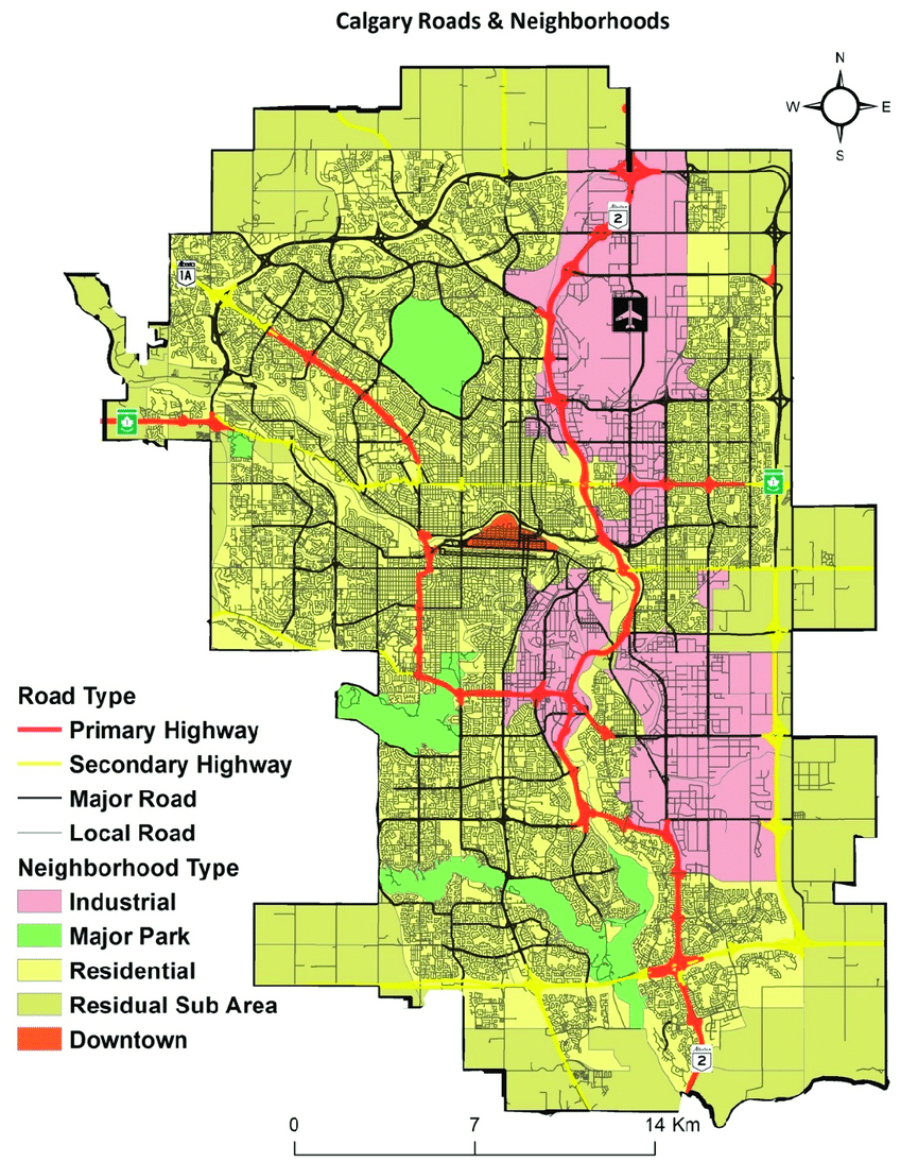
Figure 3. The Alberta Oil Sands (Blackrocksbigproblem, n.d.)

Figure 4. Future Map of Calgary C-Train Network (The City of Calgary, 2019)
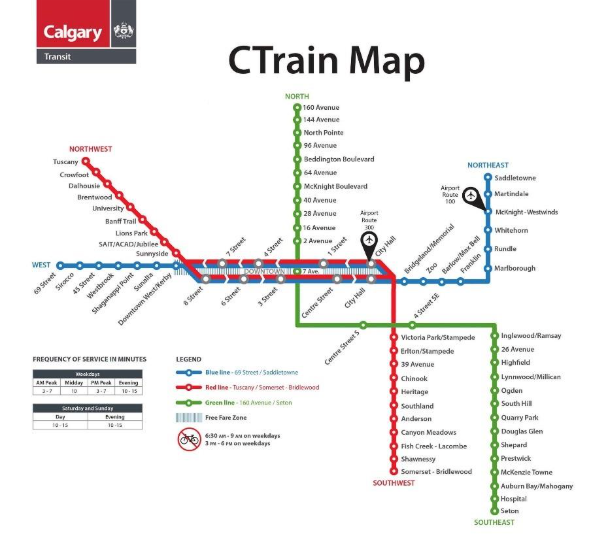
Figure 5. Sam Balto and his Bike Bus (Johnson, 2023)

References
Calgary RE/MAX REALTORS, 2023. SE Calgary Real Estate Maps. [Online]
Available at: https://www.remaxcentral.ab.ca/calgarymapsearch/southeast.html
[Accessed 16 October 2023].
Blackrocksbigproblem, n.d. Tar Sands & Pipelines. Blackrocksbigproblem.
Brown, R., 1991. Community Action for Health Promotion: A Strategy to Empower Individuals and Communities. International Journal of Health Services, 21(3), pp. 441-456.
Bruno, M., Dekker, H.-J. & Lemos, L. L., 2021. Mobility protests in the Netherlands of the 1970s: Activism, innovation, and transitions. Environmental Innovation and Societal Transitions, Volume 40, pp. 521-535.
Choi, K., 2018. The influence of the built environment on household vehicle travel by the urban typology in Calgary, Canada. Cities, Volume 75, pp. 101-110.
Day, D., 2008. Exploring dimensions of sustainable urban development planning and their potential impact on parks in the Calgary region. Calgary, Canadian Parks for Tomorrow.
Everyday Tourist, 2016. Calgary: Planners and Politicians are too downtown and ego centric!. Everyday Tourist, 2016 March.
Guidotti, R. et al., 2017. Never drive alone: Boosting carpooling with network analysis. Information Systems, Volume 64, pp. 237-257.
Hardman, M., Chipungu, L. & Magidimisha, H., 2018. Guerrilla gardening and green activism: Rethinking the informal urban growing movement. Landscape and Urban Planning, Volume 170, pp. 6-14.
Johnson, R., 2023. An interview with Sam Balto the teacher who started Portland’s bike bus. Momentum, 9 August.
Keough, N. & Ghitter, G., 2019. Pathways to sustainable low-carbon transitions in an auto-dependent Canadian city. Sustainability Science, Volume 15, p. 203–217.
Keough, N. & Ghitter, G., 2021. Sustainability Matters: Prospects for a Just Transition in Calgary Canada’s Petro-City. Calgary: University of Calgary Press.
Khakh, A. K., Fast, V. & Shahid, R., 2019. Spatial Accessibility to Primary Healthcare Services by Multimodal Means of Travel: Synthesis and Case Study in the City of Calgary. International Journal of Environmental Research and Public Health, 16(2), pp. 1-19.
Leicester City Council, 2023. Moving Forward: The future of passenger transport in Leicestershire – Community-Led Solutions, Ideas and Guidance, Leicester: Leicestershire County Council.
Meij, E., Haartsen, T. & Meijering, L., 2020. ‘Everywhere they are trying to hide poverty. I hate it!’: Spatial practices of the urban poor in Calgary, Canada. Geoforum, Volume 117, pp. 206-215.
Miller, B. & Mössner, S., 2020. Urban sustainability and counter-sustainability: Spatial contradictions and conflicts in policy and governance in the Freiburg and Calgary metropolitan regions. Urban Studies, 57(11), pp. 2241-2262.
Nikolaïdou, S., Klöti, T., Tappert, S. & Drilling, M., 2016. Urban Gardening and Green Space Governance: Towards New Collaborative Planning Practices. Urban Planning , 1(1), pp. 5-19.
Novikova, O., 2017. The Sharing Economy and the Future of Personal Mobility: New Models Based on Car Sharing. Technology Innovation Management Review, 7(8), pp. 27-31.
Philly Car Share, 2014. PhillyCarShare. [Online]
Available at: https://web.archive.org/web/20021201130750/http://phillycarshare.org/
[Accessed 26 October 2023].
Sottile, E., Meloni, I. & Cherchi, E., 2017. Hybrid choice model to disentangle the effect of awareness from attitudes: Application test of soft measures in medium size city. Case Studies on Transport Policy, 5(2), pp. 400-407.
Sun, H., Forsythe, W. & Waters, N., 2007. Modeling Urban Land Use Change and Urban Sprawl: Calgary, Alberta, Canada. Networks and Spatial Economics, Volume 7, p. 353–376.
Teed, J. & Campbell, E., 2010. Plan It Calgary: A Mature Integration Model for Community Design in Calgary, Alberta, Canada, New Haven: Community Indicators Consortium.
Teplova, T., 2006. World Economy Trends and Their Implications for the City of Calgary, Ottawa: Canadian Policy Research Networks Inc.
The City of Calgary, 2010. South East Industrial Area Structure Plan, Calgary: The City of Calgary.
The City of Calgary, 2019. Green Line LRT. [Online]
Available at: https://www.calgary.ca/green-line/green-line-map.html
[Accessed 16 October 2023].
The City of Calgary, 2022. 2023 – 2026 Climate Implementation Plan, Calgary: The City of Calgary.
The City of Calgary, 2022. Calgary Climate Strategy – Pathways to 2050 , Calgary: s.n.
The City of Calgary, 2023. Shared Micromobility (e-Bikes and e-Scooters) program. [Online]
Available at: https://www.calgary.ca/bike-walk-roll/electric-scooters.html#:~:text=You%20can%20ride%20a%20shared,are%20set%20up%20around%20Calgary
[Accessed 5 October 2023].
The City of Calgary, 2023. Traffic Incidents. [Online]
Available at: https://data.calgary.ca/Transportation-Transit/Traffic-Incidents/35ra-9556
[Accessed 12 October 2023].
Tsenkova, S. & Youssef, K., 2021. Social Sustainability, Neighbourhood Cohesion and Quality of Life: A Tale of Two Suburbs in Calgary. In: J. M. C. P. R. Martinez, ed. Handbook of Quality of Life and Sustainability. s.l.:Springer, p. 371–394.
Zsóka, Á., Szerényi, Z. M., Széchy, A. & Kocsis, T., 2013. Greening due to environmental education? Environmental knowledge, attitudes, consumer behavior and everyday pro-environmental activities of Hungarian high school and university students. Journal of Cleaner Production, Volume 48, pp. 126-138.
